The Kentucky computer
Note: The Kentucky politics of what's proposed here needs more thought.
We make it here
Lead times were two years and more on processors and memory we needed to make cars, thermostats, point-of-sale machines, industrial processes, medical equipment, and phones. Prices were obscene. Taiwan and South Korea were short of industrial inputs and China didn't consider us a priority market anymore.
"We used to make it here," went the argument. We still make industrial chemicals fabs in Taiwan and South Korea need. Naphtha for plastic and sulfuric acid for etching electronic components are made on the Ohio river in Ashland and Catlettsburg. Helium to grow silicon -- more than 1/3 of the world's supply comes from Kansas. Most of the U.S. has switched to natural gas power generation -- now supply-constrained, expensive, and strained by hyperscale data centers. Kentucky's coal-fired power is suddenly cheap in comparison.
The Kentucky General Assembly issued close to $100 million in emergency development bonds to stabilize industry. One fruit of that is the 32-bit standard modular industrial computer now made -- from silicon to assembly -- in Kentucky.
Two kinds of computer
There are two kinds of computer: embedded low-power systems, like those in cars, medical devices, point-of-sale systems, and industrial process control; and servers. We make the former, and even pushed it to replace many eductional and office computers with durable systems lasting 10+ years of heavy use.
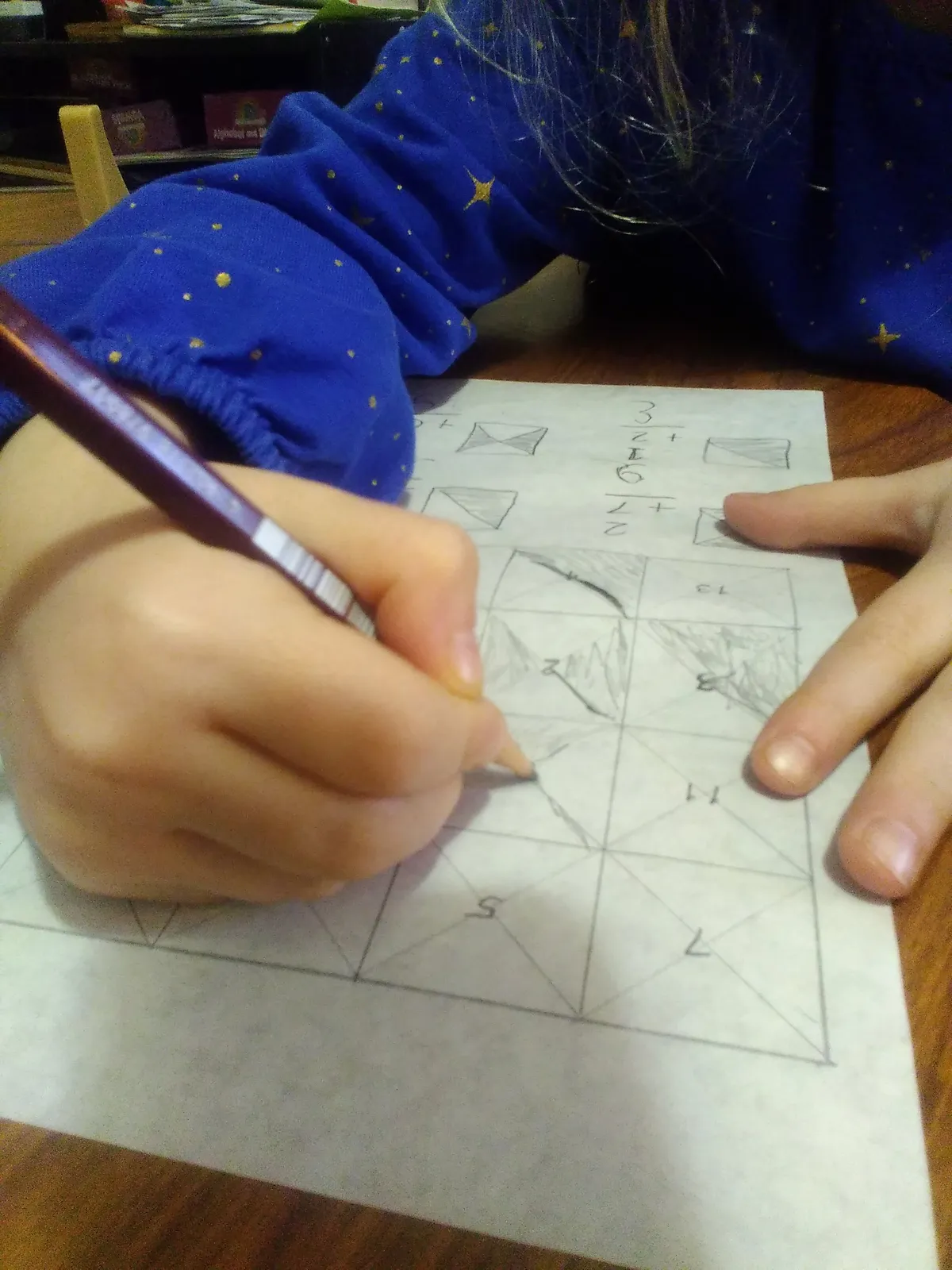
There was also demand destruction. Kentucky schools do less standardized testing, use textbooks more and assign handwritten assignments. Kentucky ended the policy of every student having a personal device. There's a computer lab and classroom computers. We share.
Computers no longer substantially augment or replace reality to the degree they once did when compute and memory were cheap. They no longer so totally structure play, learning, socialization, sexuality, identity, health care, navigation, creativity, shopping, and banking. They are no longer always-available private worlds in which abuse, exploitation, extortion, theft, bullying, and academic dishonesty are inescapable.
They are resource-constrained tools, simple, reliable, and easily understandable, capable of only doing one thing at a time.
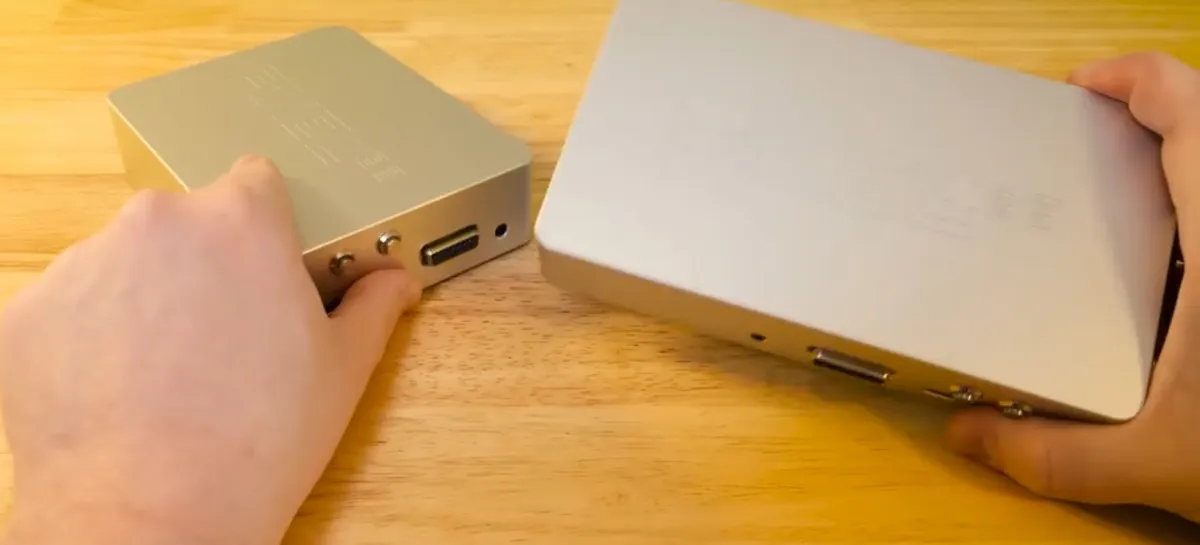
The Kentucky computer
Kentucky makes a 4-inch square aluminum box you plug a keyboard, mouse, and monitor into, with a PC/104 board inside.
Inside the box is an embedded i486 system-on-a-chip. The processor architecture is from 1989. The implementation is from 1998. It doesn't require expensive, fragile industrial processes to make. What it does depends on what PC cards you plug in its two slots. In cars, it reduces the number of wires in the wiring harness. In medical, scientific, and industrial settings it controls motors, sets thermostats, and reads sensors.
Each PC card isn't an app, it's a whole system. Most computers only ever use a single card -- they only ever have a single purpose. Repurposing the system just requires replacing the card.
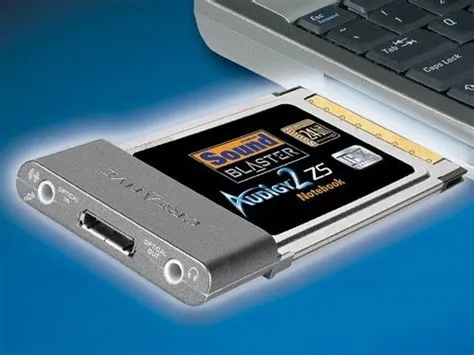
Most PC cards boot a modernized backward-compatible DOS, a single-tasking operating system previously used from the mid 1980s to early 1990s. It doesn't need a fast processor to run snappily and energy-efficiently. Lots of software has been written for it and it's easy to develop for.
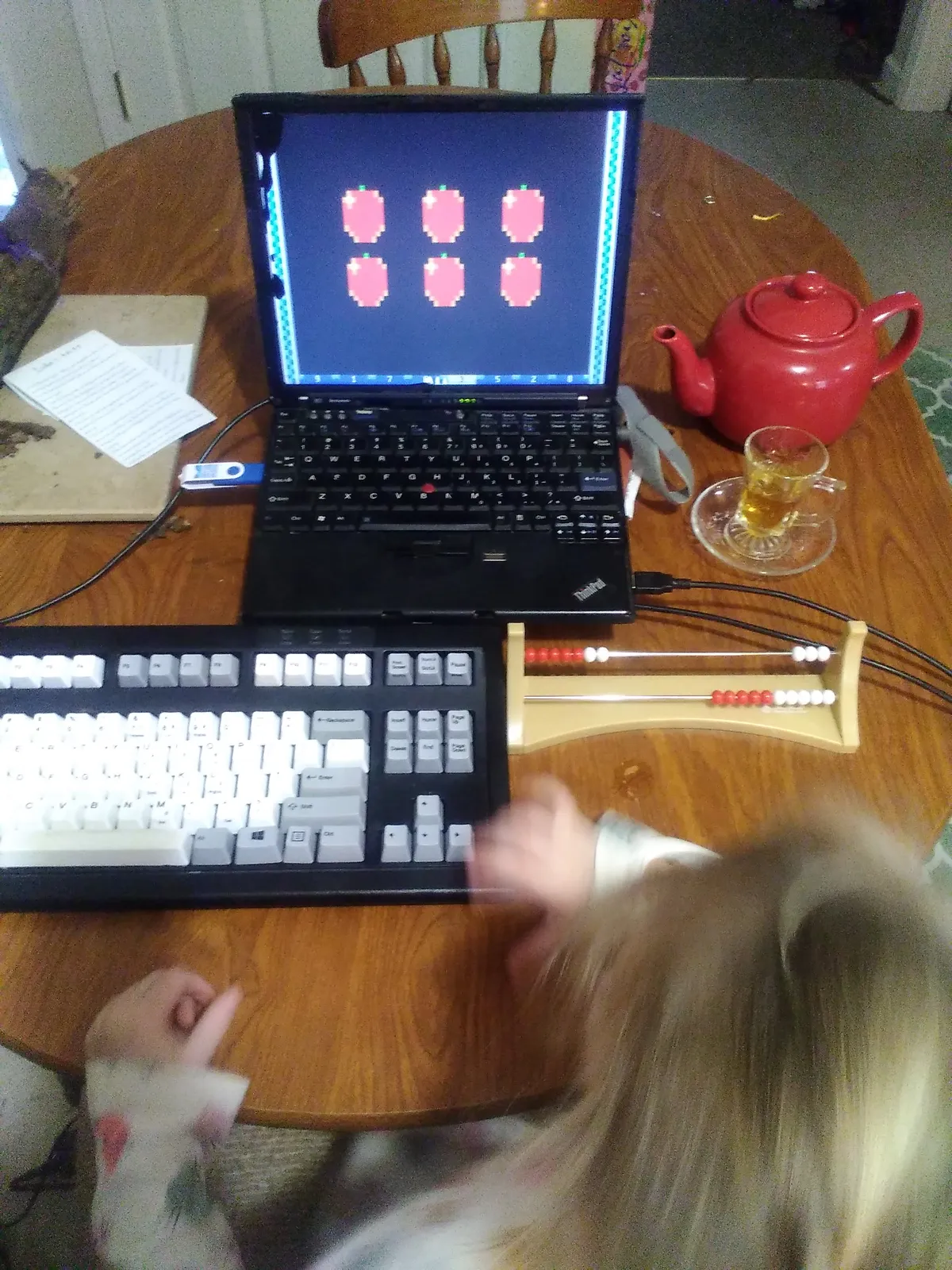
In schools, "single tasking" means distraction-free. Students use computers to focus and do one thing at a time. Schools use a card with a ROM that boots an educational suite and reads and writes to removable compact flash storage.
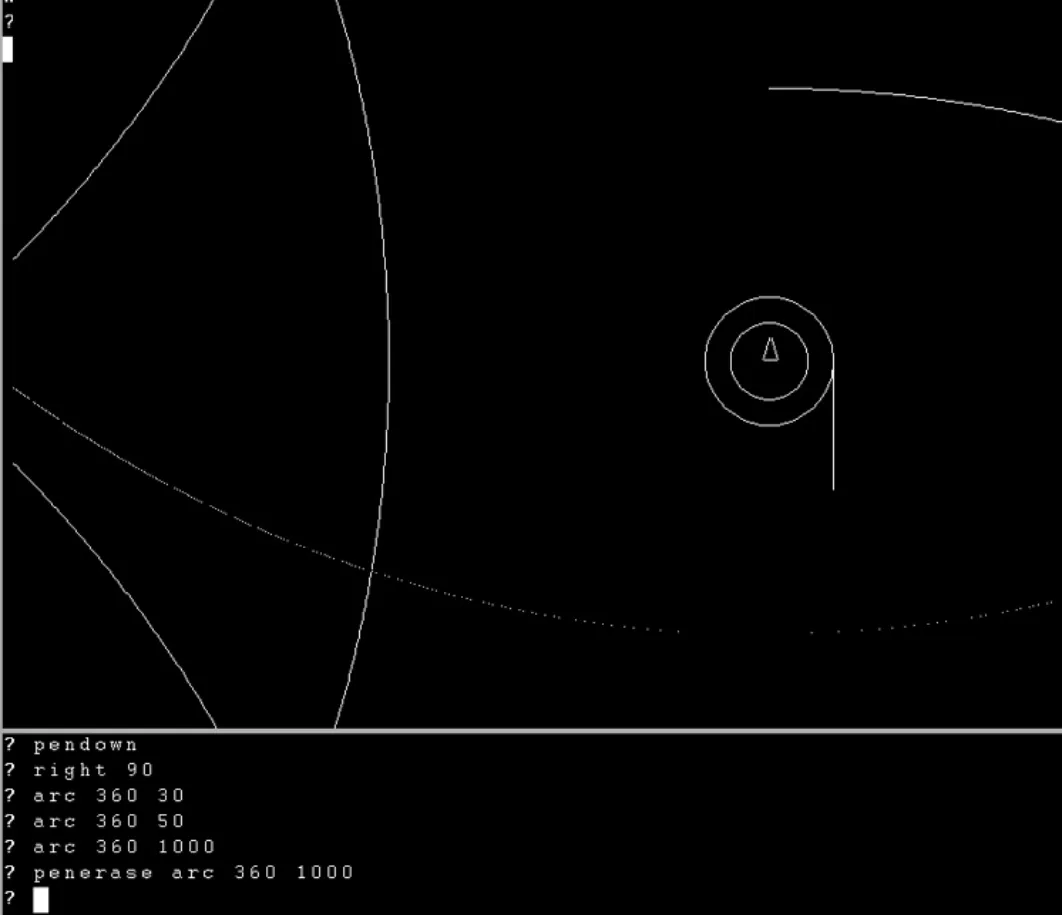
Schools usually don't use PC cards that allow computer networking. Invasive surveillance of children has become rare -- there's just less data collected, stored, sold, hacked, and misused. Some school computers boot to the XPL0 or UCB LOGO programming prompt and await student commands. Some boot a FUZOMA educational suite ROM from PC card for learning reading, arithmetic, typing, chess, and basic logic.
Later in school, and in offices, people use PC Cards that make their computer:
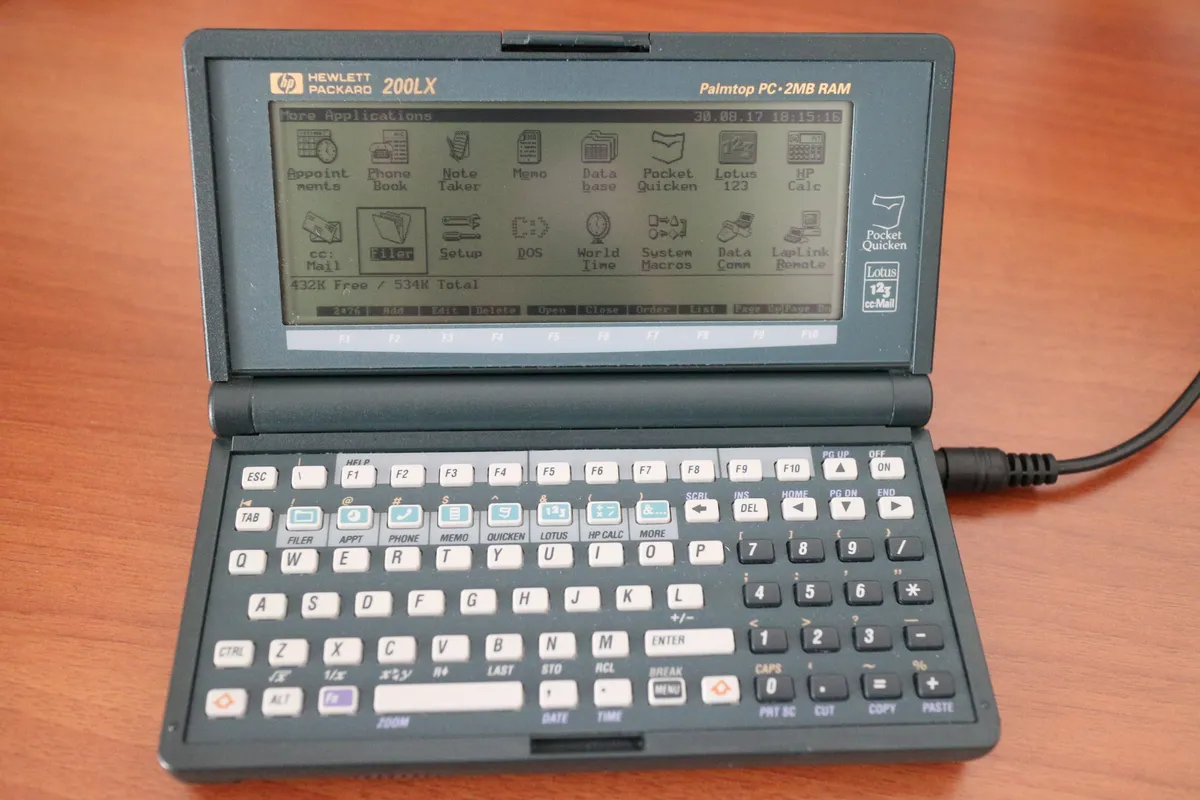
- A business suite with email, a notes/to-do database, spreadsheet (Lotus 123, AsEasyAs), word processor (wordperfect), calendar, terminal, pdf reader (mupdf), and business/scientific calculator;1
Creative suites like Decker (multimedia platform for making and sharing interactive documents with sound, images, and scripted behavior, based on HyperCard) or uxn/Varvara (games, text editor, drawing program, livecoding environment, sprite editor, font editor, desktop clock, hex editor, interactive REPL) to make visual art, music, games, newsletters, and for creative programming;
A scientific or industrial suite (computer-aided design software, statistical computing environment, sensor data collection or industrial control);
Agricultural and medical I/O cards that control irrigation, vital signs machines, medical imaging, and IV pumps.
Network I/O and utilities to connect securely to a more powerful computer in the school or workplace to use the bulletin board, chat server, game server, grid, document library, or general-purpose system;
Accessibility ROMs (screen reader, translator, voice-to-text transcriber).
Most households only have a few PC cards, whether they own them, or have them issued from school or work. Public libraries lend PC cards, and they're reprogrammable. You can take an old one to the repair mall to have it updated or overwritten.
Electronics manufacturing ecosystem
Rochester Electronics established a $20 million i486 embedded system and LPDDR memory fabrication facility in Paducah, together with an "innovation hub" to prepare workers for the highly-automated assembly line and management, engineering, quality control, and process control jobs. The processors and memory are also used in cars, washing machines, and industrial control applications -- anything domestically made that needs megabytes of memory instead of gigabytes, and megahertz of clock speed instead of gigahertz.2
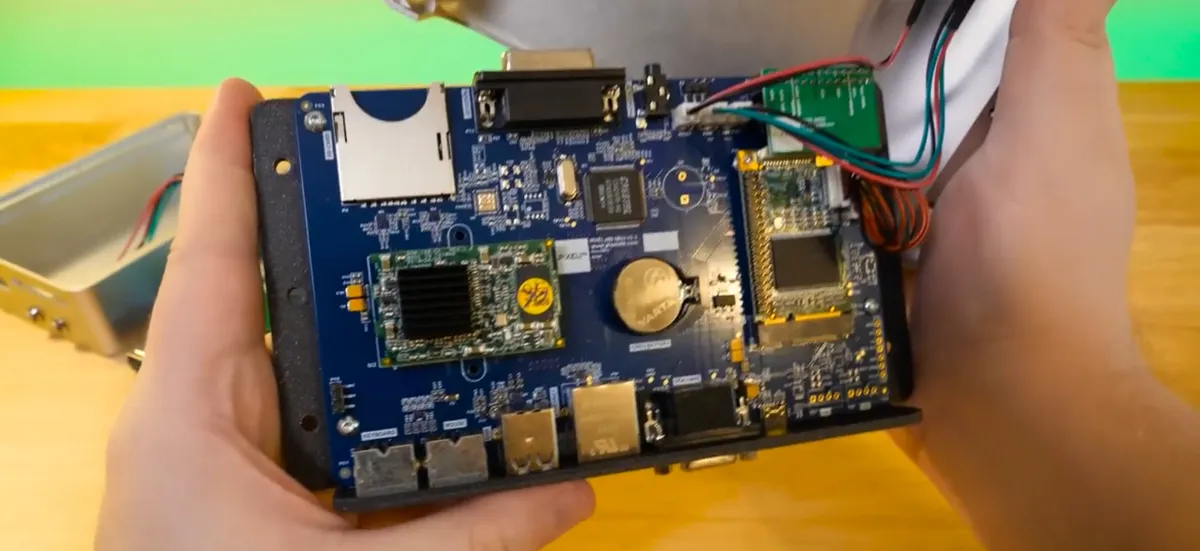
Circuit boards are printed and assembled in Lexington. Keyboards are also made there in the Unicomp plant that once made IBM Selectric and Model M keyboards. Final assembly is in Owensboro and Winchester. The new Micron fab in Bowling Green makes NAND memory. Bowling Green also packages and flashes PC cards containing ROMs, network hardware, solid-state storage, and camera/audio/display controllers from circuit boards printed and assembled elsewhere in the state. Okonite in Richmond makes wiring, and connectors are produced in Berea at the former Parker Seals plant. There's a small domestic software industry.
A state law mandating a percentage of components be produced or salvaged domestically supports small factories and recyclers that make diodes, buck and boost converters, capacitors, and other components. The future doesn't belong to the country that wins the Quixotic "race for AI," but the country that can't be starved.
Salvage computing
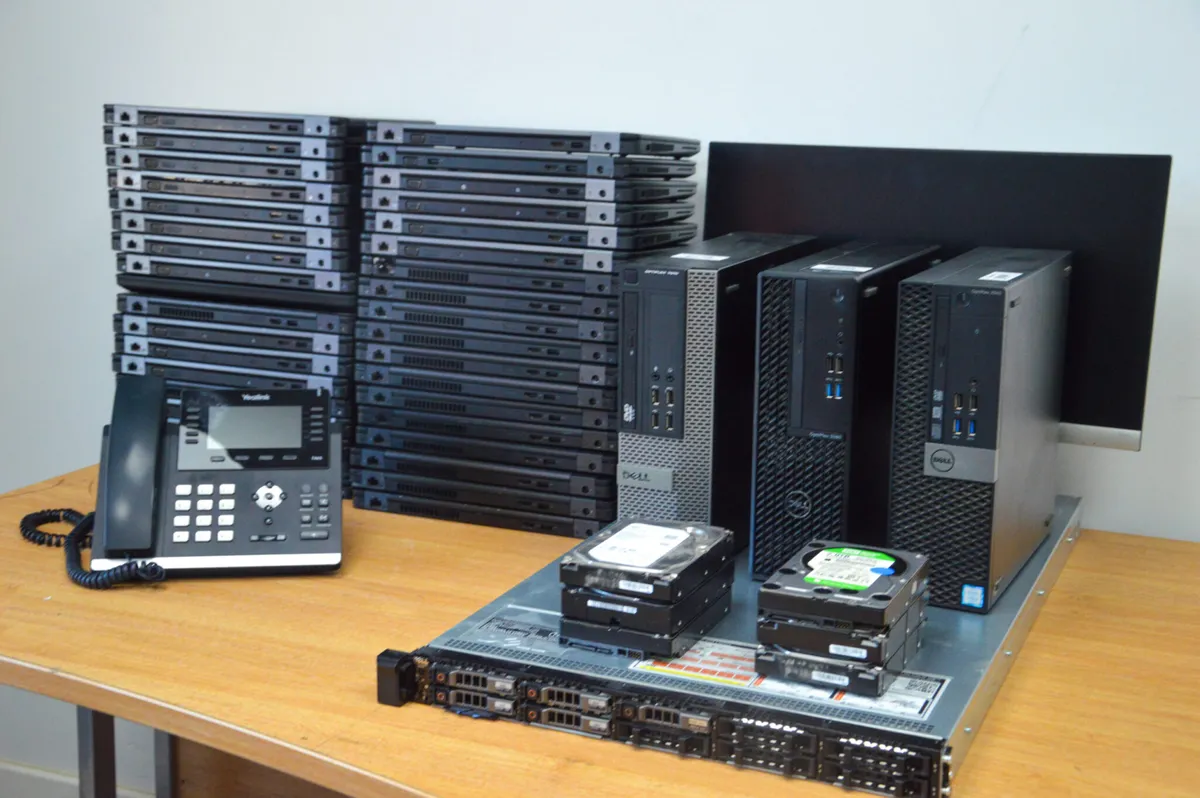
In the corners of antique malls all over Kentucky, remanufacturers sit by stacks of old corporate and educational laptops, bought bulk in auctions as institutions discard them. They pull hard disk drives, refresh thermal paste, replace capacitors, downclock processors, dremel holes in the sides of cases for PC cards, neuter TPM chips, reflash boot firmware.
Remanufacturers repurpose still-working and parts-only e-waste into machines that work on the same paradigm as the Kentucky computer and boot from the same cards. They're less durable, but cheaper, and their faster processors are useful to some.
In addition to full systems, old laptops are remanufactured into keyboards, screens, and PC cards with networking or mass storage capabilities. Some remanufacturers repair heirloom machines or tear down old cellphones, Alexas, routers, and Flock license plate readers, but that isn't their core business. Most component salvage is done industrially.
Server hardware will probably always depend on international supply chains for new high-end components, but has a life measured in decades and a robust domestic salvage and remanufacture market.
What happened to old computers
Supply chain shocks
Imported computer component scarcity and price hyperinflation was driven by a boom in construction of massive data centers to process surveillance data and a war.
DRAM memory, graphics processors, and CPU processors were made with single-digit nanometer extreme ultraviolet lithography processes on unbelievably complex and expensive equipment in only China and Taiwan.
Big data center firms hoarded and speculatively traded the scarce components. Some GPUs traded for hundreds of thousands of dollars each until the crash. Lithography machines depended on helium for cooling silicon wafers and sulfuric acid to etch.
In 2026, missile and drone salvos destroyed much of the world's natural gas production, and with it, helium and sulfuric acid -- and high-end chipmaking capability -- for nearly a decade. Power to operate chip foundries, plastic for packaging, and bunker ship fuel and trucking diesel to move raw materials and finished products doubled in price and stayed stubbornly high for seven years.
Many people held on to older, slower, damaged, supposedly "less secure," devices. In places they had become the only way to pay for food, get help in an emergency, bank, navigate, and clock in to work. Schools required students to use them, and communicated with children and parents exclusively by them.
As Israel's "temporary exile" in Argentina began, the Israeli government spokeswoman officially claimed responsibility for political assassinations and terrorist attacks against the U.S. and other countries she claimed betrayed Israel in the war:3 "Any device with a camera and connected to the internet is our eyes," she said. "Every security camera, phone, and tablet. If you wronged us, you cannot escape justice."
Schools in Kentucky already required cellphones left at home, assignments generally hand- or typewritten. These rules were to promote focus, prevent distraction, protect child safety, and prevent cheating.
Shortly after the speech, internet-capable phones, tablets, computers, and security cameras were banned on the grounds of Kentucky schools, government office buildings, critical infrastructure, and military installations. During the subsequent chaotic and disruptive years, the ban and government bond issue produced less computer dependence, and Kentucky's vibrant computer remanufacture and new manufacture ecosystem.
Manufacturing troubles
Production had a rocky start. The LCD display panel factory planned for Louisville ran into problems and was delayed more than five years.4 Old stock panels sourced from multiple vendors had frequent quality control problems needing repair or replaced.
High prices and shortages demanded resources be used judiciously. Plastic thick and durable, keyboard coffee spill drains protect sensitive electronics, components replaceable. State House bills pushing "judicious use" never got out of committee, but an "emergency right to repair" bill became law.
The "Kentucky computer" was subject to derision before it was even built. Jokes abounded on morning and late night shows. In a viral video, as banjos played, a primitive desktop computer from the 1980s was slowly operated by a dip-chawing hillbilly idiot with bad teeth, drunk on a jug of illicit moonshine.
Kentucky computers have no built-in hardware for networking and no camera. Kentucky computers communicate over serial and support PS2 keyboards and mice. You can add USB ports and other functionality (at the cost of more power draw) with pluggable PC cards. The desktop computer has a VGA port to drive a monitor.
Due to battery cost most Kentucky computers are plugged in to mains power or autonomous solar or muscle power without batteries. For those who can afford them, rechargeable 18650 batteries power a Kentucky computer for 50 hours of use or 6 weeks of standby.
When they came on the market, a Kentucky computer cost more than $1,000. The price dropped modestly over time. As they've proved robust and easy to fix, the used market is strong. Repair malls, large firms, and school districts host independent computer and typewriter service and repair shops. Eastern Kentucky University, Kentucky State Polytechnic Institute, and West Kentucky Community and Technical College offer service and repair technician certification programs.
Design was driven by what could be made in Kentucky given supply constraints, minimum specs to dependably run educational, scientific, and professional software, patent and intellectual property costs, and durability, repairability, and extendability, given uncertainties and how essential having computers is.
What Kentucky computers can't do
They don't have the processing power or memory to play high-definition videos or high-definition 3D multiplayer games, or access webapps like early 21st century social media sites. For the same reason, they can't industrially farm surveillance data from computer users. They're offline by default, and can't network or take photos without connecting a capable PC card.
The Kentucky computer's legacy
Kentucky computers are also used in other states, in schools and some jobs from Alabama to Maryland. We credit our computer with our reputation for producing skilled engineers who solve some of our world's hardest problems. Our two recent Fields medalists credited their Kentucky teachers and their early and sustained LOGO programming hours for extraordinary achievements in pure mathematics.
The world continues changing rapidly. We have a lot to figure out, a lot to do. It makes me proud we rose to the challenges the past gave us and made the Kentucky computer. We don't back down from tough problems. Not yesterday, not today, with its compounding challenges, not tomorrow, whatever it brings. We stand on a proud heritage, for a decent future.
This story is released into the public domain. It is only as true as you make it.
The standard business suite ROM is much like the suite used from 1994-2004 on HP palmtop PCs. The Kentucky computer is much faster than the 200LX, which started up and launched programs instantly with a 7.96 MHz 80186 compatible embedded CPU and 1 to 4 MB of memory (640 KB RAM, the rest could be used for expanded memory or storage).↩
A Kentucky computer needed one of these, all of which can run DOS and be used for many other purposes. Both were produced in large supply and/ or can be produced domestically by a reasonably-priced foundry:
- 80386 processor (designed 1985, made for 22 years, 1 micrometer process node, 275,000-850,000 transistors, 33MHz clock speed @ 4.5-5.5 volts, memory management unit (MMU), new chips made in Paducah by Rochester Electronics or old stock),
- US-produced RISC-V processor (newly designed for domestic production of computing devices with process nodes initially achieved in 2001 and 2004, 180 or 130 nm process node, >20 million transistors, 100 MHz @ 5.5 or 3.3 volts, has MMU, made in Illinois by Honeywell)
Or the attacks could come from a betrayed Ukraine or betrayed Saudi government in exile. Lots of aggrieved former allies in our near future.↩
The Louisville plant makes monochrome and RGB (red, green, blue) displays with reflective, passive matrix, super twisted nematic LCD technology. The technology was developed in the 1980s. It's very low cost and ultra power-efficient. Re-shoring it was unexpectedly difficult.↩