Note: The Kentucky politics of what's proposed here needs more thought.
First: Could a useful, durable, repairable, efficient computer for students and some professions be made entirely in Kentucky, at capital expenses in the tens of millions or less, for unit costs of $1,000 or less, with existing technology? Yes.
Second: As a device, what could it do, what problems could it solve, what limitations would it have? It could be general purpose. It would increase focus and creativity, be more private and safer from many malicious attacks, more durable and repairable. Due to limited processing power, RAM, and screen resolution, it wouldn't be very good for using web apps, playing modern immersive multiplayer games, or watching stuff.
A visit to the museum
"It was hard to focus, hard to write a good paper or computer program on a machine built to spy on users and feed their compulsions," Ryleigh said. "Schools put that kind of computer at the center of education starting in kindergarten. This was a mistake."
Ryleigh curates the Rochester Electronics computer museum in Paducah, Kentucky. The computers he described were built overseas, usually in China. They needed to be replaced every three years, when they became "too slow" and "no longer supported." A new, supposedly better computer always needed to be bought to do the same things. Finally, they became impossibly expensive.
No one owned compute anymore, hardware existed only as an abstraction rented back to the public through virtual servers, software as a service subscriptions, and metered experiences. An ordinary citizen would tap their terminal -- a sealed device without ports, storage, and sophisticated local execution capabilities -- and log into their Personal Compute Allocation. This bundle of cloud CPU minutes, RAM credits, and storage tokens was leased from a conglomerate whose logo quietly replaced the word “computer” in everyday speech. Software existed only as a service tier in which every task routed through servers owned by entities. Entities that insist that this is all for the planet. Entities that outlawed consumer hardware under the banner of environmental protectionism, citing e-waste statistics, carbon budgets, and unsafe unregulated silicon, while conveniently ignoring that the data centers humming beyond the city limits burned more power in an hour than the old neighborhood ever did in a decade.1
Computers augmented or replaced reality. They structured play, socialization, sexuality, learning, identity, health care, navigation, creativity, shopping, and banking. Computers were private worlds in which abuse, exploitation, extortion, theft, bullying, and academic dishonesty were possible, and for many children inescapable.
What happened to old computers
Child safety and age verification laws
In the late 2020s, a raft of legislation in Kentucky was enacted to protect children on then-ubiquitous computers. Lobbyists for multinational "social media" surveillance, advertising, and augmented reality firms wrote the child-safety laws. They displaced liability for software that knowingly put children at risk onto computer users and operating system maintainers. New regulatory burdens destroyed small businesses and open source projects. Invasive surveillance of children increased -- more data collected, stored, sold, hacked, and misused. The new laws changed nothing fundamental.

Supply chain shocks
Supply chain shocks created conditions to re-shore manufacturing -- giving us simpler, safer, humbler educational and business computers.
Two things drove imported computer component scarcity and price hyperinflation: a boom in construction of massive data centers to process surveillance data, and a war.
DRAM (memory), GPUs (graphics processors), and CPUs (processors) were made with single-digit nanometer extreme ultraviolet lithography processes on unbelievably complex and expensive equipment in only two countries.
Everything electronic -- phones and military radars, cars and data centers -- was designed to be dependent on high end chips made by these few lithography machines. The lithography machines depended entirely on helium for cooling and sulfuric acid to etch. Big data center firms hoarded and speculatively traded the scarce components. Some GPUs traded for hundreds of thousands of dollars each.
Then missile and drone salvos destroyed much of the world's natural gas production, and with it, irreplaceable helium and sulfuric acid -- and high-end chipmaking capability -- for nearly a decade. Power to operate chip foundries, plastic for enclosures and packaging, and bunker ship fuel and trucking diesel to move raw materials and finished products doubled in price and stayed stubbornly high for seven years.
Many people held on to older, supposedly "less secure," devices. In many places in Kentucky, they were the only way to pay for food, get help in an emergency, bank, navigate, and clock in to work. Schools required students to use them, and communicated with children and parents exclusively by them.
What it took
The final shock was a new threat to child safety. After the war resulted in Israel's "temporary exile" in Argentina, the Israeli government spokeswoman officially claimed responsibility for a spate of retaliatory political assassinations and terrorist attacks against public figures, military officers, and civilian populations in the U.S. and other countries she claimed betrayed Israel in the war.2
"Let me be very clear," she said. "Any device with a camera, any device connected to the internet, is our eyes. Every security camera, every phone or tablet. We have many hands. If you wronged us, you cannot escape our justice. Our friends who stood by us have nothing to fear."
Computers long maligned for distraction, cheating, and child exploitation, long resented for invasive surveillance, were now the eyes and hands of terrorist revenge.
Before the terror threats, schools in Kentucky already required cellphones left at home. Assignments already often had to be hand- or typewritten. These rules were to promote focus, prevent distraction, promote child safety, prevent cheating.
Shortly after the Israeli spokeswoman's speech, internet-capable phones, tablets, computers, and security cameras were banned on the grounds of Kentucky schools. The ban was immediately a problem for administrators and instructors, and quickly became a problem for students who needed statistical inference, computer science, finance and accounting, computer-aided design, industrial control, and database applications.
Kentucky computers
After a big bond issue and all-of-government research, development, and business-readiness effort in partnership with industry, a domestically-produced 32-bit educational computer was greenlit in Kentucky. It could be powered by a time-tested 80386 or Xtensa LX, or new RISC-V processor.3
Rochester Electronics established a $20 million 80386 processor and LPDDR memory fabrication facility in Paducah, together with an "innovation hub" to prepare workers for the highly-automated assembly line and management, engineering, quality control, and process control jobs. The processors and memory are also used in cars, washing machines, and industrial control applications -- anything domestically made that needs megabytes of memory instead of gigabytes, and megahertz of clock speed instead of gigahertz.
Helium was expensive, but comes steadily from Kansas. The permitting and studies to produce helium in Garrard County may someday bear fruit. Sulfuric acid, also expensive, crosses the Commonwealth from the Greenup County Veolia plant just downriver from the city of Ashland and Catlettsburg refinery, which also makes the plastic precursor naphtha. The high pressure to produce resulted in an accidental release late in the first year of the shortage.
Circuit boards are printed and assembled in Lexington. Keyboards are also made there in the Unicomp plant that once made IBM Selectric and Model M keyboards. Final assembly is in Owensboro and Winchester. The new Micron fab in Bowling Green makes NAND memory. Bowling Green also makes PC cards containing ROMs, network hardware, solid-state storage, camera/audio/display controllers made in Lexington. Okonite in Richmond makes wiring, and connectors are produced in Berea at the former Parker Seals plant. There's a small domestic software industry.
Lower down the supply chain, a state law mandating a percentage of components be produced or salvaged domestically supports small factories and recyclers that make diodes, buck and boost converters, capacitors, and other components to supplement international supply chains. We learned a future doesn't belong to the country that wins the Quixotic "race for AI," but the country that can't be starved. Server hardware still depends heavily on international supply chains for new high-end components, but has a life measured in decades and a robust domestic salvage market.
Production had a rocky start. The LCD display panel factory planned for Louisville ran into problems and was delayed more than five years.4 Old stock panels sourced from multiple vendors had frequent quality control problems needing repair or replaced.
High prices and shortages demanded resources be used judiciously. Plastic thick and durable, keyboard coffee spill drains protect sensitive electronics, components replaceable. State House bills pushing "judicious use" never got out of committee, but an "emergency right to repair" bill became law.
The "Kentucky computer" was subject to derision before it was even built. Jokes abounded on morning and late night shows. In a viral video, as banjos played, a primitive desktop computer from the 1980s was slowly operated by a dip-chawing hillbilly idiot with bad teeth, drunk on a jug of illicit moonshine.
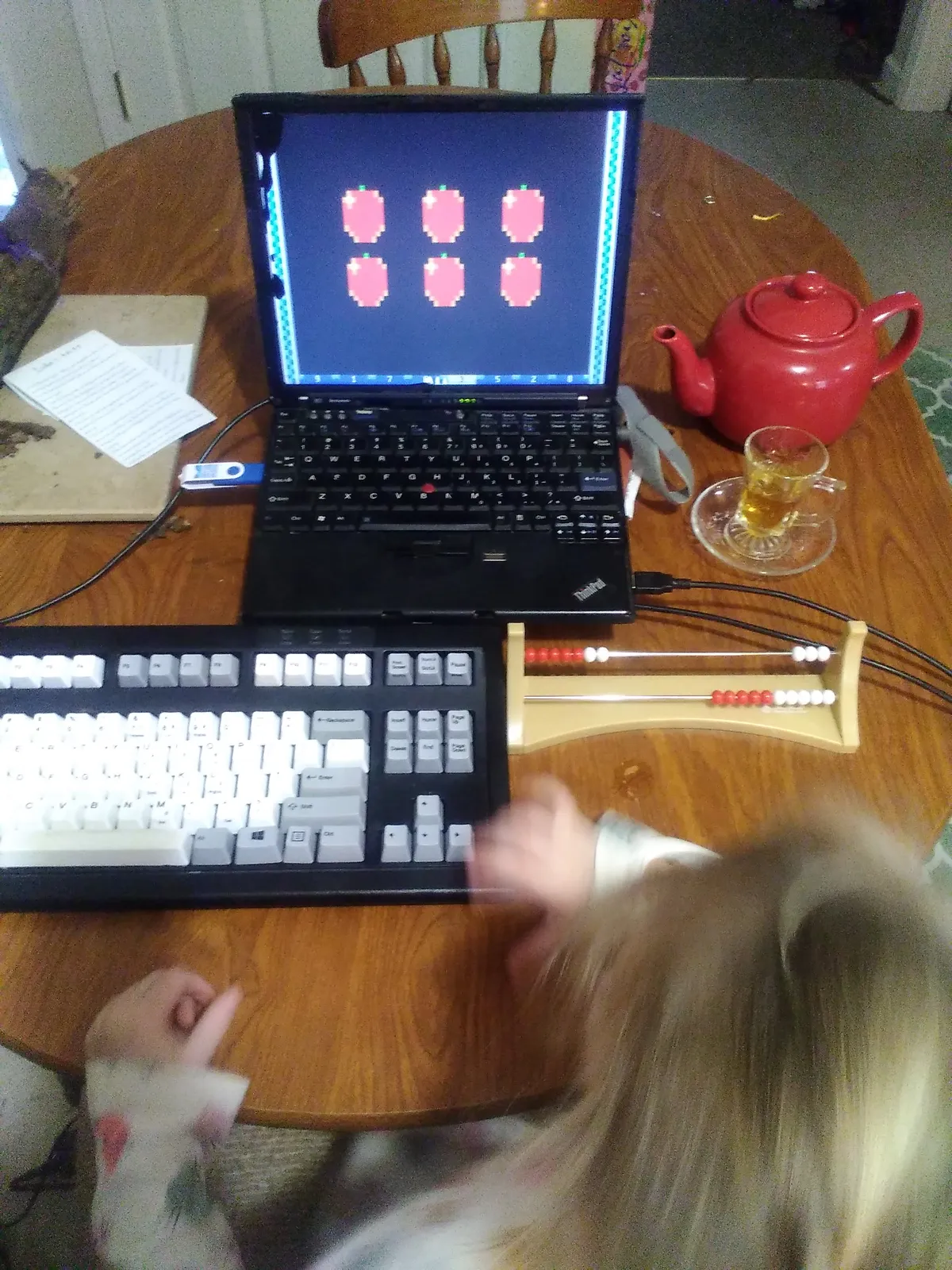
What Kentucky made, and all Kentucky students use, is a durable, chunky, slightly undersized laptop with a loud clacky keyboard and archaic square sunlight-readable display. The desktop computer is a 4-inch square aluminum box you plug a keyboard, mouse, and monitor into, with a PC/104 board inside.
Kentucky computers run a modernized backward-compatible DOS, a single-tasking operating system previously used from the mid 1980s to early 1990s. It doesn't need a fast processor to run snappily and energy-efficiently. Lots of software has been written for it and it's easy to develop for. "Single tasking" means distraction-free. Students use it to focus and do one thing at a time.
Neither desktop nor laptop has hardware for networking over wifi, bluetooth, or ethernet. Neither has a camera. Kentucky computers communicate over serial and support PS2 keyboards and mice. You can add USB ports and other functionality (at the cost of more power draw) with pluggable PC cards. The desktop computer has a VGA port to drive a monitor.
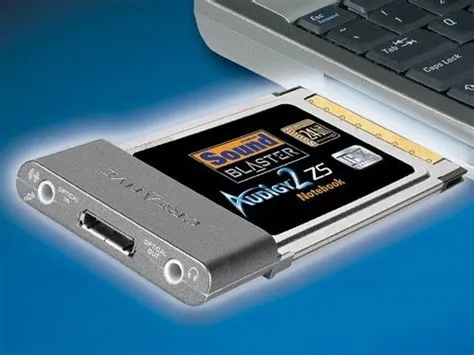
Due to battery cost most people plug their Kentucky computer in to mains power or use autonomous solar or muscle power without batteries. For those who can afford them, rechargeable 18650 batteries power a Kentucky computer for 50 hours of use or 6 weeks of standby per full charge.
When they came on the market, a Kentucky computer cost more than $1,000. Schools offset the high cost with grants and loaner computers. The price dropped modestly over time. As they've proved robust and easy to fix, the used market is strong.
You can find independent computer and typewriter service and repair shops in many repair malls and school districts. There are service and repair technician certification programs across the community college system and at Eastern Kentucky University and the Kentucky State Polytechnic Institute.
What Kentucky computers can do
Design was driven by what could be manufactured domestically given supply constraints, minimum specs to dependably run educational, scientific, and professional software, patent and intellectual property costs, and durability, repairability, and extendability, given uncertainties and how essential having computers is.
I'm sure everybody's used them. Many of the first generation are still in use, though modified in some way. They're pretty close to what we use now.
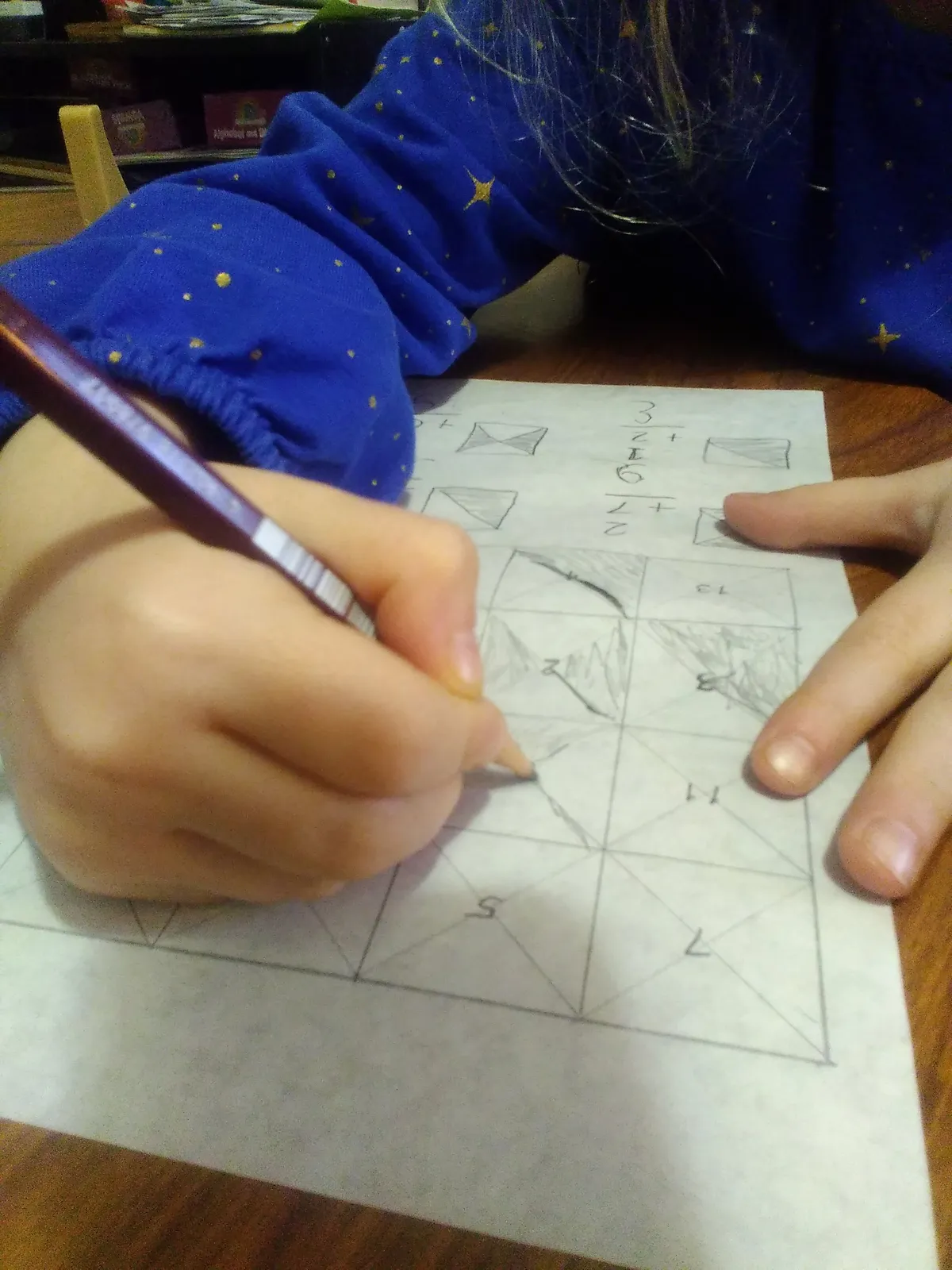
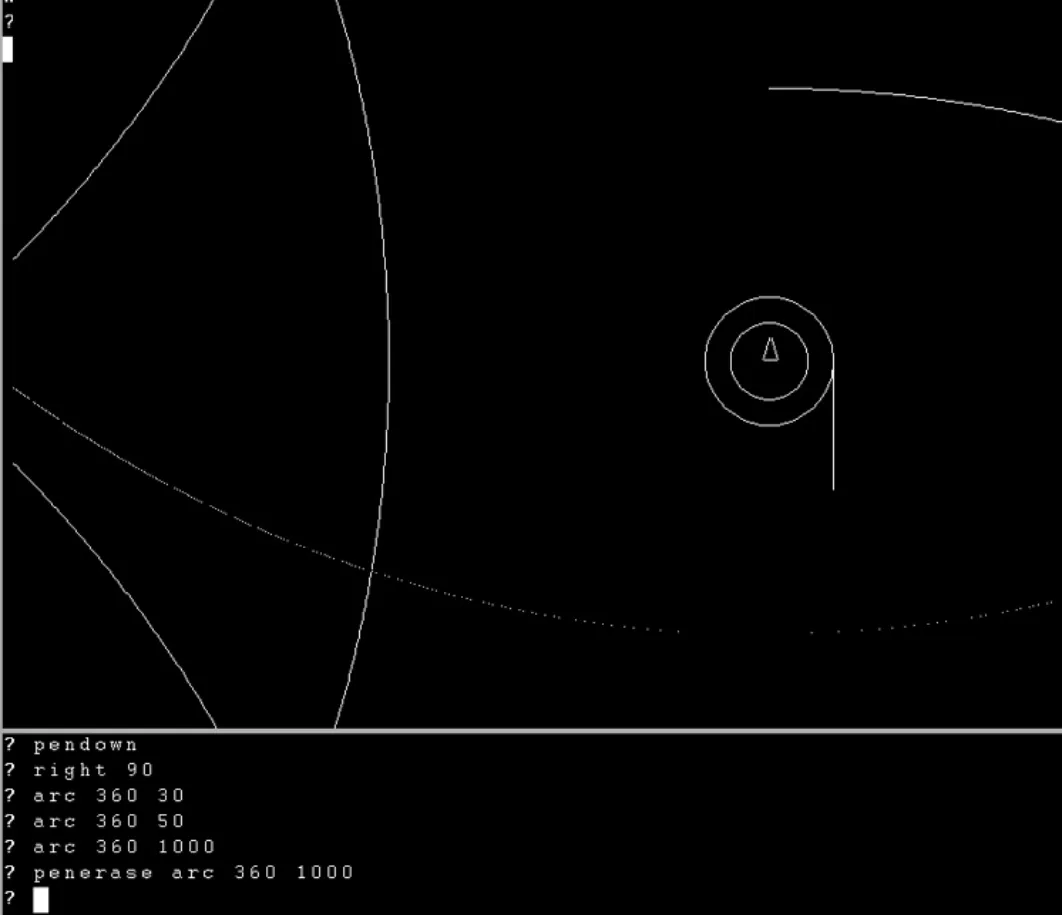
Probably the first time you used one it turned on to the XPL0 or UCB LOGO programming prompt and waited for you to input a command. It was magic when you typed in a program from a computer newsletter and ran a game, and even more magic for some of you when you modified it, making the game your own.
Some of you first used it with a FUZOMA educational suite ROM in the PC Card slot to learn reading, arithmetic, typing, chess, and basic logic.
Later you probably used PC cards with other ROMs:
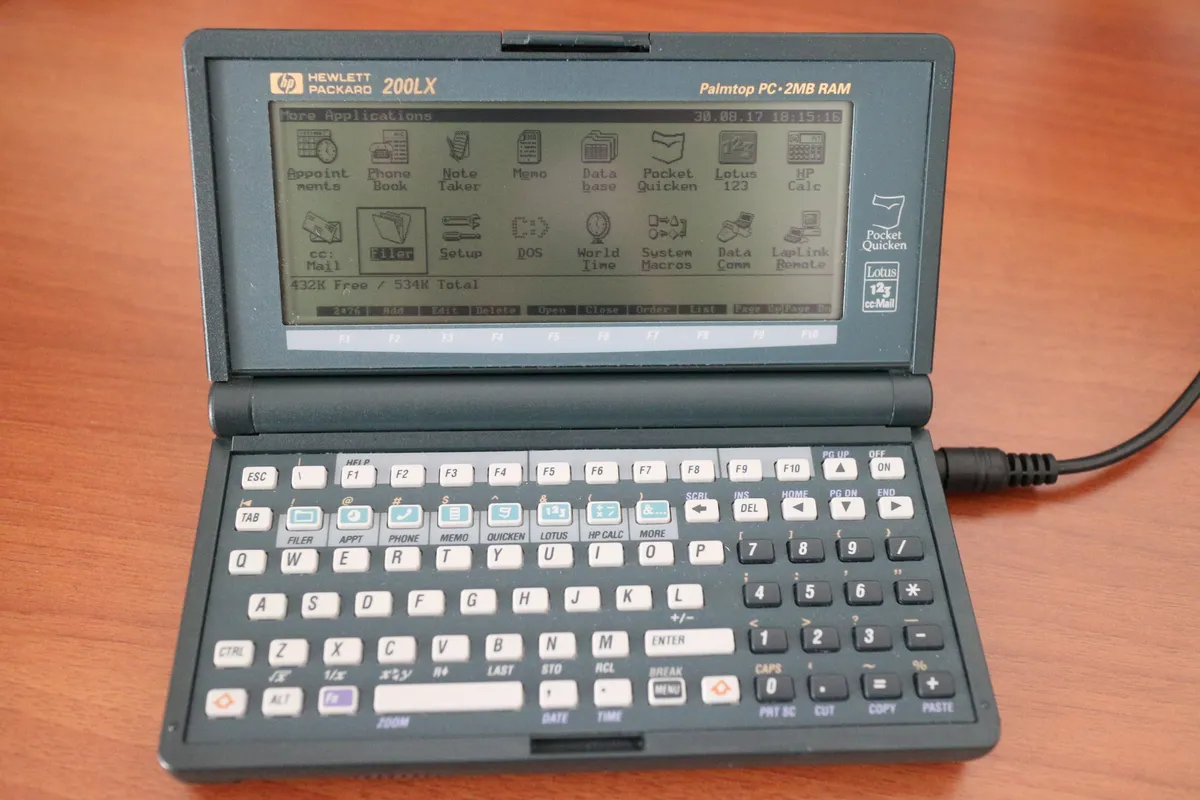
- A business suite with email, a notes/to-do database, spreadsheet (Lotus 123, AsEasyAs), word processor (wordperfect), calendar, terminal, pdf reader (mupdf), and business/scientific calculator;5
Creative suites like Decker (multimedia platform for making and sharing interactive documents with sound, images, and scripted behavior, based on HyperCard) or uxn/Varvara (games, text editor, drawing program, livecoding environment, sprite editor, font editor, desktop clock, hex editor, interactive REPL) to make visual art, music, games, newsletters, and for creative programming;
A scientific or industrial suite (computer-aided design software, statistical computing environment, sensor data collection or industrial control PC card);
Network utilities to connect securely to a more powerful computer (server or router) in your school or workplace to use the bulletin board, chat server, game server, plan9 grid, general-purpose UNIX system, or to browse the web and gopher;
Accessibility ROMs (screen reader, translator, voice-to-text transcriber).
Each PC card ROM isn't a program, it's a whole system. Most households only have a few PC cards, whether they own them, or have them issued from school or work. Public libraries lend PC cards, and they're reprogrammable. You can take an old one to the repair mall to have it updated or overwritten.
Students turn in assignments over serial with kermit, by printing on paper, or by turning in a mass storage PC card. Many assignments still must be hand written or typewritten. The computer aids some kinds of thinking, turning it off aids other kinds of thinking.
What Kentucky computers can't do
They don't have the processing power or memory to play high-definition videos or high-definition 3D multiplayer games, or access webapps like most early 21st century social media sites. For the same reason, they can't industrially farm surveillance data from computer users. They're offline by default, and can't network or take photos without connecting a capable PC card.
It's easier to produce something with them, harder to compulsively consume. Maybe immersive videogames were a bad substitute for childhood adventure, and social media a bad substitute for childhood chitchat. Either way, as you know, video games still exist, kids still chat.
The Kentucky computer's legacy
Millions of Kentucky computers are in use. In Kentucky schools alone, K-12 students use 700,000. College and university students use another 300,000. 30,000 teachers, professors, and school administrators use them too, many of them as their only computer.
As you know, Kentucky computers are also used in other states, in schools and some jobs from Alabama to Maryland. We credit our computer with our reputation for producing skilled engineers who solve some of our world's hardest problems. Our two recent Fields medalists credited their Kentucky teachers and their early and sustained LOGO programming hours for extraordinary achievements in pure mathematics.
The world continues changing rapidly. We have a lot to figure out, a lot to do. It makes me proud we rose to the challenges the past gave us and made the Kentucky computer. We don't back down from tough problems. Not yesterday, not today, with its compounding challenges, not tomorrow, whatever it brings. We stand on a proud heritage, as we stand on college basketball, horse racing, car manufacturing, bluegrass music, and our mountains.
The sun shone through the big windows and tubular skylights onto the room's artifacts. Ryleigh shepherded the tour group on to the next room.
This story is released into the public domain. It is only as true as you make it.
See further reading. This is slightly modified from Hold on to your hardware (2025).↩
Or the attacks could come from a betrayed Ukraine or betrayed Saudi government in exile. Lots of aggrieved former allies in our near future.↩
A Kentucky computer needed one of these three, all of which can run DOS and be used for many other purposes, all were produced in large supply and/ or can be produced domestically by a reasonably-priced foundry:
- 80386 processor (designed 1985, made for 22 years, 1 micrometer process node, 275,000-850,000 transistors, 33MHz clock speed @ 4.5-5.5 volts, memory management unit (MMU), new chips made in Paducah by Rochester Electronics or old stock),
- Xtensa LX RISC processor (designed 2008, made for more than 20 years, 40 nm process node, >100 million transistors, 240 MHz @ 3.3 volts, no MMU, old stock only),
- US-produced RISC-V processor (newly designed for domestic production of computing devices with process nodes initially achieved in 2001 and 2004, 180, 130, or 90 nm process node, >20 million transistors, 100 MHz @ 5.5 or 3.3 volts, has MMU, made in Illinois by Honeywell)
The Louisville plant makes monochrome and RGB (red, green, blue) displays with reflective, passive matrix, super twisted nematic LCD technology. The technology was developed in the 1980s. It's very low cost and ultra power-efficient. Re-shoring it was unexpectedly difficult.↩
The standard business suite ROM is much like the suite used from 1994-2004 on HP palmtop PCs. The Kentucky computer is much faster than the 200LX, which started up and launched programs instantly with a 7.96 MHz 80186 compatible embedded CPU and 1 to 4 MB of memory (640 KB RAM, the rest could be used for expanded memory or storage).↩